July 22, 2026
Planning a major exterior renovation project requires homeowners to gather accurate technical details before any work begins on their physical structure. Replacing a worn, sagging overhead door not only elevates your property's curb appeal but also strengthens home security and optimizes thermal energy efficiency. However, a successful replacement project involves far more than simply selecting a handsome panel style and color from a local showroom catalog. Homeowners must understand the technical requirements, mechanical components, and safety preparations necessary to ensure a smooth transition. Educating yourself about the upcoming garage door installation process ensures that your home is fully prepared for this valuable upgrade.
Selecting the Ideal Material for Longevity
Evaluating the distinct advantages of various construction materials represents the first critical decision a homeowner must make before installation day. Modern doors are manufactured in steel, aluminum, wood, fiberglass, and composite materials, with each type offering different maintenance requirements and durability profiles. Steel panels offer maximum strength and durability against high winds and impact, while aluminum options resist corrosion beautifully, making them excellent for coastal climates. Wood offers unmatched natural warmth but demands regular staining, painting, and sealing to prevent rot. Choosing the right material for your garage door installation depends heavily on your budget, local weather patterns, and willingness to perform routine upkeep over the years.
Understanding the Massive Weight of Assemblies
Recognizing the sheer physical mass of modern overhead assemblies highlights why professional handling is absolutely critical during the replacement process. According to Today's Homeowner, garage doors typically weigh between 100 and 400 pounds, depending on their size, material, and level of insulation. This heavy load must be perfectly counterbalanced by a system of high-tension steel springs to prevent catastrophic structural collapse. Trying to lift, balance, or adjust these heavy components without proper hoist equipment can lead to devastating accidents or warped tracks. Ensuring a professional crew manages your garage door installation prevents physical injuries and ensures the structural framework safely supports the massive weight.
Preparing the Workspace for Construction Crews
Clearing out your garage and creating a spacious, clean working environment is essential before the technician team arrives at your home. The installation crew needs ample space to lay out large panel sections, assemble heavy metal tracks, and utilize specialized power tools safely. Homeowners must park their vehicles on the street, move trash cans, and shift stored boxes, bicycles, or lawnmowers away from the opening. This preparation allows the workers to move quickly without tripping over obstacles or risking accidental damage to your personal belongings. A clean workspace ensures your garage door installation progresses efficiently, keeping the technicians focused entirely on structural precision.
Calculating the Value of Proper Thermal Insulation
Evaluating the thermal performance of your new overhead door is highly important if your garage connects directly to your living spaces. Insulated panels utilize dense polyurethane or polystyrene cores to block extreme winter cold and summer heat, regulating temperatures inside the adjacent rooms. This thermal barrier reduces the strain on your home's heating and cooling systems, lowering your monthly utility bills over time. Insulated panels also operate much more quietly, absorbing vibration and dampening outside traffic noise significantly. Discussing R-value ratings with your contractor before your garage door installation helps you choose a level of insulation that fits your budget.
Assessing Existing Track and Spring Conditions
Checking the health of your existing metal tracks, rollers, and torsion springs is a critical step that occurs during the initial consultation. Many homeowners assume they can simply swap out old panels while keeping their original tracks and springs to save money. However, using old structural components with a new, heavier panel often causes premature system failure or dangerous track misalignment. Modern manufacturers design entire systems to operate as a unified machine, meaning new tracks and springs are mandatory for safe operation. Investing in a complete garage door installation guarantees that all load-bearing components work in perfect mechanical harmony.
Choosing the Correct Horsepower for Openers
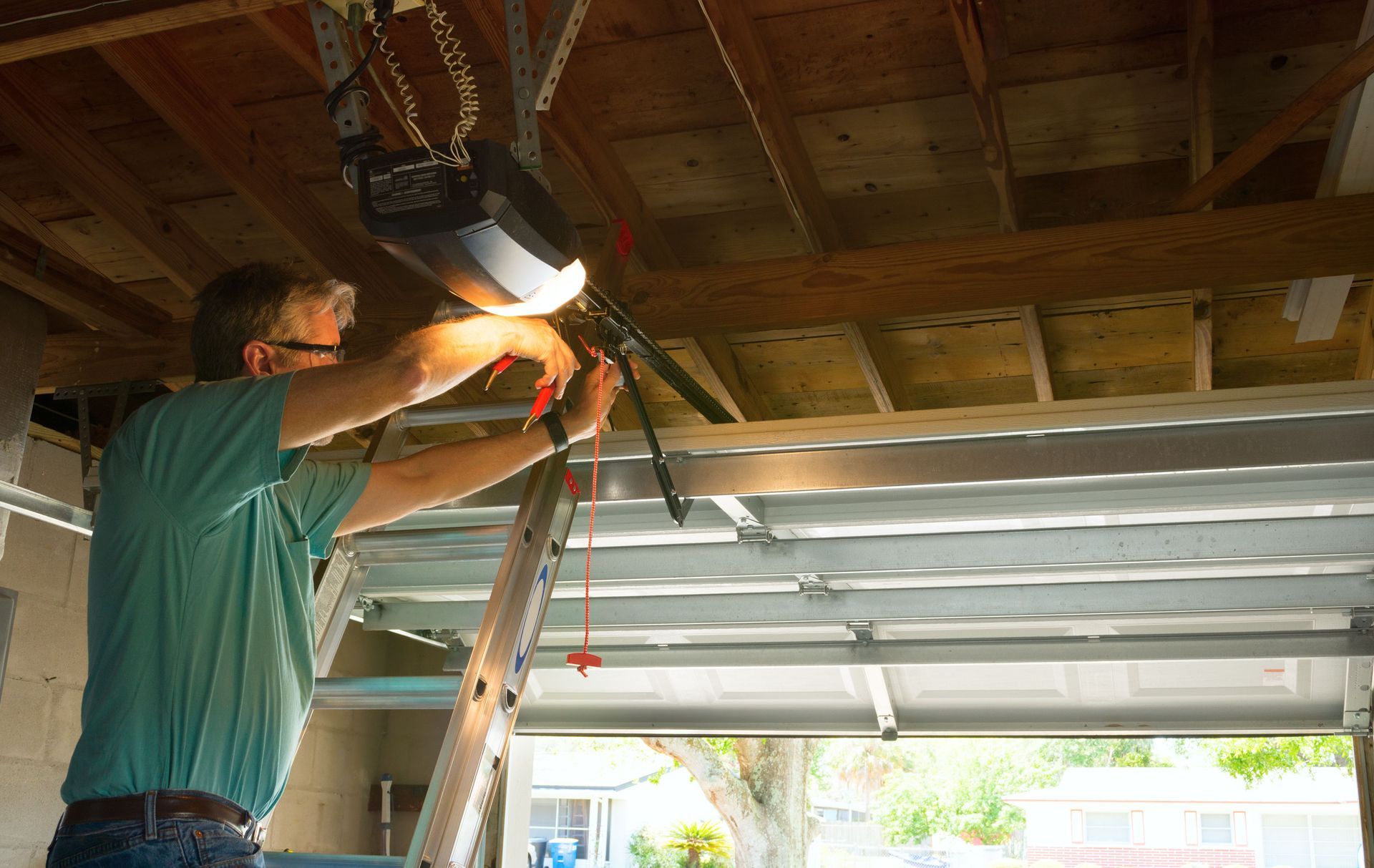
Matching your motorized opener's horsepower rating to the physical weight of your new door ensures reliable, smooth operation for many years. If you install a heavy double-car steel door but continue using a weak, low-horsepower motor, the internal gears will quickly burn out. Conversely, purchasing an excessively powerful motor for a lightweight aluminum door is an unnecessary expense that wastes household electrical power. Your installation specialist will calculate whether your new system requires a half-horsepower, three-quarter-horsepower, or full-horsepower motor to operate safely. Making this calculation before your garage door installation prevents costly motor burnouts and premature hardware wear.
Planning for the Necessary Electrical Requirements
Verifying that your garage ceiling features the correct electrical outlets and wiring is vital before setting up a new automated system. Modern motorized openers require a grounded, three-prong electrical outlet positioned within a few feet of the motor unit's mounting bracket. If your garage currently lacks proper electrical infrastructure, you must hire a licensed electrician to run new lines before the crew arrives. Additionally, newer code regulations require specific safety sensors to be wired near the floor level to prevent crushing accidents. Coordinating these electrical details ensures that your garage door service proceeds without unexpected delays or dangerous wiring setups.
Measuring the Rough Opening Dimensions Accurately
Recording the exact physical dimensions of your garage opening is the foundation of a successful, worry-free fitting process on construction day. Technicians must measure the precise width and height of the rough opening, along with the headroom clearance above the door. They also check the backroom distance, which is the clear space running along the ceiling from the header to the rear wall. If these measurements are off by even half an inch, the new tracks will not fit, causing severe binding or gaps. Professional measurement guarantees that your custom garage door service proceeds smoothly with a perfect, airtight seal.
Reviewing Local Building Codes and HOA Rules
Checking your local municipal building regulations and neighborhood homeowner association guidelines prevents expensive fines and forced removals after the project concludes. Some cities require specific wind-load certifications on garage entries to withstand regional storms, particularly in areas prone to tornadoes or high winds. Additionally, strict homeowner associations often limit color selections, panel designs, and window layouts to maintain a uniform aesthetic across the neighborhood. Reviewing these structural and aesthetic rules before finalizing your garage door service ensures that your new investment complies perfectly with all local ordinances and neighborhood standards.
Budgeting for the True Costs of Projects
Establishing a realistic, comprehensive budget prevents stressful financial surprises once the final invoice arrives from your local contractor. The total price of an overhead door project includes the cost of the panels, new tracks, heavy-duty springs, and professional labor fees. Homeowners must also factor in potential charges for disposing of the old door, upgrading the electrical outlets, and installing a new motorized opener. Getting a detailed, written estimate that breaks down all of these individual costs helps you plan your home improvement finances accurately. Structuring your budget before starting your garage door service ensures a stress-free and highly successful home upgrade.
Preparing thoroughly for your upcoming home improvement project ensures that your property receives a highly durable, visually stunning, and structurally sound upgrade. From selecting the right high-density insulation materials to preparing a clean workspace for the technician crew, every step of the process matters. Understanding the massive weight of these heavy, high-tension systems reinforces the necessity of relying on certified professionals who utilize specialized safety equipment and calibration tools. By taking the time to plan your budget, verify electrical connections, and review local building codes, you set the stage for a seamless transition. A professional garage door service protects your home, lowers energy bills, and adds lasting market value. Are you seeking professional garage door installation services in Box Elder, Cache, and Weber Counties, UT? The experts at H & H Doors have you covered! Call today to request a service quote.